



Depart from your hotel at the designated time and proceed to Shanghai Hongqiao Airport for departure. Say goodbye to your accommodations and take off on a scenic flight to Fujian, officially launching this 8-day UNESCO World Heritage wellness journey. Historically known as "Min" (the eight provinces), Fujian is a land defined by its mountains and seas, with a cultural lineage stretching back millennia. It is the starting point of the Maritime Silk Road, the cradle of Min culture, and a hidden sanctuary for mountain-water wellness. Today, you will arrive in Shaxian, not just a small city of snacks, but an ancient town steeped in a thousand years of Min urban culture, folk intangible heritage, and the warmth of everyday life.
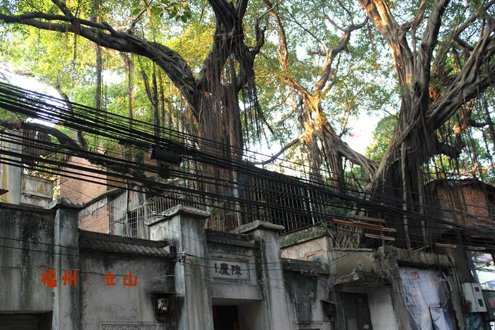
[Shaxian Snack City · A Thousand Years of Min · Origins of Urban Street Culture] Take a leisurely stroll through Shaxian Snack Cultural City, which is far more than a simple food street; it is a showcase of China's intangible cultural heritage in snack-making. Shaxian snacks originated during the Han and Jin dynasties, flourished in the Tang and Song, and peaked in the Ming and Qing. Preserved by generations of locals, they blend culinary techniques brought by Central Plains migrants with the local ingredients of the Min region. The cuisine emphasizes "clear, fresh, fragrant, light, and nourishing," aligning with the seasons and using food for wellness. It is a living fossil of Chinese culinary culture. The district features elegant ancient architecture and well-organized streets, gathering dozens of official intangible heritage snack techniques, traditional handicrafts, and displays of Min folk customs. As you wander, immerse yourself in the millennium-old lifestyle of the Min people and uncover the urban essence of "local snacks, a thousand-year heritage."
Yongding Tulou (Earth Buildings) · World Architectural Wonder · The Living Stone of a Thousand-Year Hakka Family (Full Day): Explore the Yongding Tulou complex (UNESCO World Heritage Site), renowned as the “Jewel of Oriental Ancient Architecture” and a “Unique Civilian Architectural Marvel in the World.” Tulou culture stands as a thousand-year witness to the migration of the Central Plains Han people. From the Western Jin to the Song Dynasty, Hakka ancestors fled wars and relocated south, establishing roots in the deep mountains of southwestern Fujian. They built buildings against the mountains and lived in clustered villages, forming a unique Hakka clan settlement culture. One tulou is one family, one migration history, and one clan genealogy.
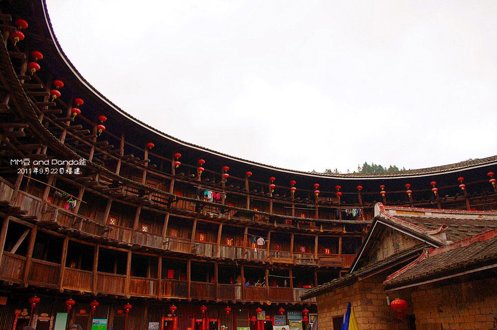
Fengqi Building · The King of Tulou | Three Centuries of Family Heritage: The focal highlight of the tour is the Fengqi Building, hailed as the “King of Tulou.” Constructed during the Ming Chongzhuo period and completed in the Qing Qianlong era, it took three generations of craftsmen half a century to build, giving it a history of over 300 years. The structure is described as “four stories high, four rings encircling, four hundred rooms above and below,” featuring circles within circles and buildings within buildings. Its architecture is robust and its layout rigorous. Built using traditional rammed earth, bamboo, and stone techniques without a single nail or iron fastener, it is windproof, earthquake-resistant, warm in winter, cool in summer, and safe from flooding. It embodies exquisite ancient architectural wisdom and ecological concepts. Inside, generations of the clan live together, maintaining order and preserving intact family customs, keeping alive the thousand-year spirit of the Hakka: venerating ancestors and education, valuing literacy and family transmission, unity, kinship, and mutual support. Strolling through the building, you will touch the undulating ridges of the rammed earth walls, listen to Hakka migration stories, and understand the unyielding clan backbone of the Hakka people’s resilience and unity of heart.
Hakka Customs Bonfire Evening · Singing Around the Fire, Warm Neighborhood Vibes: As night falls, enjoy an exclusive experience of the Hakka customary bonfire evening. The local Hakka people are known for their passionate hospitality and love for guests. The bonfire is a traditional custom for villagers to pray for blessings, welcome the new, and gather neighbors. Under the starry night sky, the bonfire is lit, radiating warmth and flickering shadows. Everyone gathers around the fire to sing, dance, and chat, immersing in the rustic and passionate atmosphere of Hakka village customs. Far from the coldness of city life, you will rediscover the warmth of neighborhood, relax your body and mind, and find peace of spirit.
[Dongshan Island · Southeastern Marine Fortress & Heroic Isle] (Scenic & Cultural Retreat): Today, head to the trending wellness sanctuary of Dongshan Island in southeastern China, historically known as "Dongding." As a strategic thousand-year-old coastal defense stronghold, this island is a vibrant hub for heroic culture and pristine ecological well-being. It perfectly blends the heritage of a maritime frontier with the rustic charm of local fishing villages and untouched nature. With four-season sea breezes rich in negative oxygen ions and crystal-clear waters, it is a natural seaside "oxygen bar" for your mind and body.
[Jin'ai Bay · Mirror-Blue Sea & Wellness Retreat] (Leisurely Stroll): Visit Jin'ai Bay, celebrated as "Fujian's Most Beautiful Beach" for its mirror-like waters. The bay features a spacious, calm surface, ultra-fine soft sand, and water so clear you can see the bottom. On windless days, the sea reflects the sky in a seamless blend. Far from the city's noise, the gentle breeze and slow waves create a perfect haven for a leisurely stroll, letting go of stress, and immersing in the tranquil beauty of blue seas and skies.
[Nanmen Bay · Colorful Fishing Village & Marine Culture] (Art & Romance): Wander through the artistic lanes of Nanmen Bay, where colorful, multi-story traditional homes are nestled between the mountains and the sea. Red-tiled roofs contrast with blue skies and returning fishing boats, creating a picturesque scene. As the core of Dongshan's native fishing villages, generations of fishermen have relied on the sea here, preserving the most authentic Southeastern coastal lifestyle. Stroll along the seaside boardwalk, listen to the waves, and soak in the harmonious fusion of nature and culture.
[Ding Street · Millennium Old Town & Ancient Heritage] (Historic Walk): Explore Ding Street, the oldest lane in Dongshan, built into the mountainside with paved stone roads and interconnected ancient buildings. Originating in the Ming and Qing dynasties and thriving over a thousand years, it serves as the core of Dongshan's ancient town heritage. The street is dotted with century-old fishing villages, traditional shops, ancient temple ruins, and historic fishermen's residences, where every corner tells a story of the past. Take a relaxing walk through this historic lane, savoring the serene warmth of the ancient village and the charm of a slow Southeastern coastal life. Afterwards, travel to Xiamen to check into your hotel.
[Gulangyu Island · World Cultural Heritage · Architecture Museum]: Immerse yourself in the World-Class Tourism Landmark of Gulangyu Island. This car-free island offers a pure walking experience and is China's only maritime World Cultural Heritage site. Since the late Qing Dynasty, consulates, banks, and villas have been built here, preserving over a century of Sino-Western architectural fusion. Gaud, Baroque, Southern Ocean, and South Fujian Red Brick styles coexist, earning it the titles of 'Museum of Foreign Architecture,' 'Garden on the Sea,' and 'Piano Island.' Note: Tour guides on Gulangyu are prohibited from using amplifiers. You may rent a noiseless team guide service for 20 RMB per person (self-paid).
The island is adorned with ancient banyan trees, blooming magnolias, quiet alleys, and gentle sea breezes. Every old house holds stories of a century-old international community, maritime trade history, and the fusion of Eastern and Western cultures. We adopt a 'slow tour' approach, strolling through historic alleyways to listen to the island's century-old charm and feel the international heritage, maritime essence, and artistic elegance of this island. Enjoy an immersive experience of 'Slow Island' healing time.
[Great Dong Island · Taidian Front Line · Shared Cross-Strait Heritage]: Head to Great Dong Island, located at the front line of Taidian, a living testament to the deep ties of territory, blood, culture, commerce, and law between the two sides of the Strait. Visit the former site of Jinxmen County Government to recall the history of Taidian's modern migration and understand the profound source of shared roots and origins. Despite the sea in between, kinship remains unbroken. This island is a convergence point for cross-strait affection and patriotic sentiment. Standing on the island, gaze across to Taidian and feel the patriotic spirit of shared mountains and rivers and a heart that yearns for unity. Tour [Great Dong Small Town] (Mandatory consumption of e-bike fees and catching the tide is included), which is planned with a site area of 830,000 m² and a construction area of 1.12 million m², developing into a unique cross-strait tourism commercial complex integrating trade, tourism, leisure, and shopping. Note: Products are available for purchase inside, but shopping is voluntary and not a scheduled stop by our company. Afterwards, take the sightseeing car to the 'Wishaway Peach Source' at Small Dong Island.
[In Case of Low Tide Arrangement]: Depending on tide times, when the water recedes, walk the exposed seabed with fishermen to dig for clams, pick up crabs, and pull out octopuses. (Note: The sequence of this activity depends on the specific tide time of the day.) Guests who prefer not to wade can stroll along the circular wooden boardwalk to enjoy the quiet seawater and capture photos of Small Dong Island's natural charm. En route, gaze at Zhongcheng's hometown Nanan (Taidao) across the sea from Jinxmen, where chickens and dogs can be heard. This area, which served as the frontline of the 'August 23' cannon battle in 1958, witnessed the smoke of war. You can take a car tour of primitive fishing villages like Qianwu and Houwu, gaze across to Jinxmen, walk on the sandy beaches, and feel the development history of the fishing villages. Visit the 'August 23' battlefield sites where smoke once rose, then enter a local fisherman's home to experience rural daily life, learn South Fujian dialect, understand the past lives of purple vegetables and crabs, and taste local wild seafood delicacies.
[In Case of High Tide Arrangement]: Disembark at Great Dong Island Wharf, and an e-bike will take you to Small Dong Island. With the sea breeze and music playing on the car, you can see Jinxmen Island in the distance. Stepping onto this small island feels like entering the atmosphere of a 1960s South Fujian town. Upon arrival, go to the designated area to personally equip specialized bait and custom crab pots. Under the outdoor coach's guidance, make markers and cast the crab pots into the sea. Sea crabs and other marine life will crawl into the custom crab pots with no way out. Wait quietly for the catch (after waiting for 1 hour).
[Quanzhou West Street · Millennium Maritime First Street · Living World Heritage]: Quanzhou West Street, founded in the Western Jin and flourishing in the Tang and Song dynasties, is over 1,700 years old and serves as the core cultural axis of Quanzhou World Heritage and the commercial center of the ancient Maritime Silk Road. The street features continuous red brick foundations, a thousand-year East and West Street Tower, ancient temples and halls, and clusters of non-heritage old shops. A millennium of maritime trade, international community culture, and South Fujian customs converge here. At night, West Street is bathed in warm lamplight with a vibrant market atmosphere. Stroll through the old street to savor the splendor and daily life of the ancient city, and feel the unique South Fujian charm of 'half the city's smoke, half the city's rhyme.' [Xiaopu West Tower] is a new small cultural creative park in West Street with many popular 'internet-famous' inscriptions. Among them is a famous quote left by Bai Ruo: "Quanzhou, this is a city you must visit at least once in your life!" Check into your hotel;
 小嶝岛
 大嶝岛
[Tiaojian Village: Ancient Fishing Hamlet, Seafood & Folk Customs] (No time specified): Explore Tiaojian Village, a millennium-old coastal settlement and an authentic fishing village along the ancient maritime Silk Road routes of the Song and Yuan dynasties. The village preserves the raw charm of southern coastal market life and traditional maritime seafood customs. A standout feature is the iconic century-old abalone shell foundation, built by locals using deep-sea shell layers to construct durable walls. Having withstood a century of sea winds and tides, these structures remain solid, providing warmth in winter, coolness in summer, and resistance to tides and rot. This reflects the survival wisdom of coastal ancestors in adapting to the marine environment and utilizing natural resources, serving as a living fossil of Song-Yuan fishing culture. Wander through the quiet ancient lanes to immerse yourself in the tranquility of this thousand-year-old fishing village and gain insight into the humble, pragmatic life of coastal communities who made their living from the sea. Note: This itinerary segment does not include Tuhua performances, costume changes, or photography experiences.
[Putuo Island: Ancestral Temple, World Heritage & The Core of Goddess Faith] (No time specified): Proceed to the cultural heart of this journey—Putuo Island, the birthplace of the World Intangible Cultural Heritage 'Ma Zu' faith, the site of the world’s only Ancestral Temple, and a spiritual sanctuary for Chinese communities globally. It serves as a core cultural bond maintaining the shared origins of the Fujian-Taiwan cultural lineage, carrying the spirits of coastal people’s prayers for peace and benevolence for a thousand years. You will take a deep tour of the Ancestral Temple and the Tianhou Ruins Park, tracing the origins, development, and millennium-long lineage of Goddess culture to understand the core essence of Chinese maritime civilization. Ma Zu (Lin Mo), born on Putuo Island during the Northern Song Dynasty, was kind, intelligent, and familiar with water conditions. She dedicated her life to the island, performing good deeds such as rescuing those in distress at sea, protecting navigation, and safeguarding fishermen and merchants. Her selfless dedication to saving lives and protecting the nation earned her posthumous reverence as the 'Goddess of the Sea.' Through imperial edicts from the Song, Yuan, Ming, and Qing dynasties, her faith spread from a small island to the world, becoming a global cultural IP symbolizing peace, inclusivity, love, gratitude, and kindness. For coastal fishermen, she is the talisman for safe voyages; for the Taiwanese, her culture represents an unbreakable root connection, with many believers crossing the strait annually to pay homage to the shared spiritual heritage. Putuo Island is nestled between mountains and the sea, offering a serene landscape and abundant spiritual energy. The ancestral temple complex features sweeping eaves and majestic architecture, steeped in a millennium of religious culture. As you stroll through the temple courtyards and explore the ruins, listen to the legendary stories of the Goddess saving lives, reflect on the core values of compassion and selflessness, and seek blessings for family peace and health. You may also catch glimpses of native Putuo female intangible cultural heritage customs, such as unique junk flags and blue fishing attire, which express fishermen's reverence for the sea and wishes for safety and family harmony, highlighting the warmth of southern maritime culture.
[Pingtan Island: China's Blue Lagoon Oasis & Premier Fantasy Sea] (No time specified): Arrive in the evening at Pingtan Island, the closest coastal resort from the Chinese mainland to the Taiwan Strait. Known as 'China's Blue Lagoon Oasis' due to its pristine sea, excellent ecology, and gentle sea breezes, this Fuzhou-based ecological island resort is nationally recognized for its 'Blue Lagoon' phenomenon. It boasts the most frequent, spectacular, and widespread bioluminescent sea views in the country, offering a top-tier romantic experience of ultimate mountain and sea tranquility.
[Pingtan Old Town: Ming-Qing Maritime Fortress & Thousand-Year Island History] Explore the cultural heart of Pingtan, China's first island city built in the Ming-Qing style. Situated on the tip of the Taiwan Strait, this historic fortress served as the gateway to the southeastern sea defenses and a key port for maritime trade. The old town faithfully recreates the architectural elegance of Ming-Qing overseas construction, featuring flying eaves, carved beams, and well-preserved streets. Inside, you will find a Maritime Culture Museum, intangible cultural heritage sites, ancient residences, and traditional shops that bring to life the centuries of cross-strait exchange and shared cultural roots between Fujian and Taiwan. Wander through the old town to savor the poetry of the sea and feel the deep connection across the strait.
[Longfengtou Beach: Prime Eastern Sea Sands & Wellness Retreat] Stroll along Longfengtou Beach, one of China's top-tier beaches with fine, flat sand. The shoreline is long and wide, the water is clear and temperate, and the gentle terrain makes it safe and enjoyable for all ages. With refreshing sea breezes, rolling tides, and expansive views, it is a natural haven for seaside wellness. Take a leisurely walk to clear your mind, breathe in the fresh air, and relax both body and soul, enjoying the leisurely pace of island life between the azure sea and blue sky.
[Sanfang Qigang: Fujian's Cultural Icon & Historic Quarter] Discover Sanfang Qigang, a UNESCO-style cultural landmark in Fujian that originated in the Jin Dynasty, flourished in the Tang and Song, and peaked in the Ming-Qing era. It is the core carrier of Min culture and the largest, best-preserved cluster of Ming-Qing residential buildings in China. This quarter has produced many renowned historical figures, including Lin Zexu and Yan Fu, and is famed as "half of Fujian's thousand-year history in one area of Sanfang Qigang." The architecture features bluestone slabs, white walls, black tiles, and distinctive Ma Hou (horse-head) firewalls, blending Feng Shui, feng shui principles, and cultural heritage. Wandering the lanes, you can appreciate the scholarly ethos, family values, and humanistic spirit that have defined this elegant ancient city for millennia.
Upgrade to a stay at the Wudishan five-star luxury resort hotel in the evening. With its refined gardens, spacious rooms, and high-end amenities, you can enjoy quality wellness leisure, shake off travel fatigue, and recharge in tranquility for your upcoming journey to Wudishan.
[Wudangshan · UNESCO World Heritage · Dantian Caverns & Tea Origin]: Embark on an in-depth day-long exploration of Wudangshan, a dual natural and cultural UNESCO World Heritage site. Renowned as the "Cavern of Dan Waters and the Wondrous Southeast," this sacred realm blends the classic Daoist architecture of Dantian, the ancestral home of Chinese rock tea, and the harmonious convergence of Daoism, Buddhism, and Confucianism. It is a premier wellness sanctuary where the mountains and waters nurture the body, tea soothes the heart, and cultural heritage cultivates the character.
[Sky Tour Peak · The First Scenic Spot of Wudang | A Journey of Ascent and Meditation]: Ascend Sky Tour Peak, the foremost of Wudang's 36 peaks, which stands as a unique cluster overlooking the "Nine Curves" valley. From the Tiantong Bridge at the summit, witness the majestic sunrise and sunset; the meandering streams form a jade-like ribbon wrapping around the mountains, while the 36 peaks and the Dantian Caverns unfold in full view. This climb offers more than just a view—it is a practice to stretch the bones, broaden the mind, and cleanse the spirit, allowing you to immerse in the vast sea of clouds and mountains to cultivate nature and wellness.
[Liuxian Valley · A Gorge of Oxygen | Forest Wellness Retreat]: Stroll through the elegant Liuxian Valley, a hidden gorge with flowing streams, towering ancient trees, and lush flora and fauna. The valley is perpetually shrouded in mist, boasting exceptionally high concentrations of negative oxygen ions, making it a natural forest oxygen bar. Walk slowly along the paths, listen to the springs, and breathe in the fresh air to escape the bustle of the city. Immerse yourself in the serene tranquility of the Wudang forests to relax your body and mind and regulate your vitality.
[Dahongfu Scenic Area · Millennium Tea Ancestral Home & Rock Tea Heritage]: Visit Dahongfu, the birthplace of premier rock tea. Witness the thousand-year-old mother trees of Da Hong Pao clinging to the cliffs, having endured centuries of wind and rain. This is the holy ground of Wudang rock tea, which gives rise to its unique "rock bone, floral fragrance" character. Delve into the ancient cultivation methods, cliff-side growth patterns, and seasonal care wisdom to understand the deep heritage of millennial tea culture.
[Wudang Tea Tasting · Intangible Heritage Tea Ceremony & Wellness Session]: Conclude with an exclusive rock tea tasting experience. A professional tea master will prepare authentic Wudang rock tea on-site, explaining the art of identification, brewing rituals, tea for health, and storage techniques. Savor the floral aroma and lingering sweet aftertaste as you find tranquility in the cup, experiencing the elegance and wisdom of the thousand-year Wudang tea way and carrying home vivid memories and wellness insights.
[Mount Tai Golden Lake / Danxia Landforms / UN World Heritage Site] (Scenic Area Tour): Today, we head to the Mount Tai Golden Lake Scenic Area, a top-tier Danxia landform destination and UNESCO World Heritage Site in China. Surrounded by rolling hills and encircled by emerald waters, the landscape features towering cliffs and a harmonious blend of mountains and water, renowned as the “Premier Danxia Lake and Mountain Landscape in the World.” Drifting across the lake by boat, you will find yourself immersed in a living painting, with every step revealing a new vista and allowing for a deeply immersive experience of the millions of years of geological evolution that created this natural wonder.
[Ganlu Temple / Hanging Ancient Temple / Millennial Sanctuary of Blessings] (Visiting Hours): Visit Ganlu Temple, a famous “hanging temple” perched on the cliffs of the Danxia formation. This ancient temple appears to float in mid-air, supported by just a single wooden pillar without a single roof tile, showcasing incredible engineering ingenuity that has withstood a thousand years of wind and rain. It is a perfect fusion of ancient architectural wisdom and sacred culture. The temple courtyard, nestled against the mountain and overlooking the lake, is serene and tranquil with long-burning incense. As a place of meditation and blessings since ancient times, it is the ideal spot to quiet the mind, seek peace, and recharge the soul.
[Sky Line Above the Water / Danxia Canyon Marvel] (Boat Ride): Cruise through the dramatic “Sky Line Above the Water,” where towering Danxia cliffs rise hundreds of meters on either side, forming a narrow, mysterious channel. The clear, deep waters weave through the elongated gorges, and looking up reveals only a thin strip of sky between the majestic rock faces. This breathtaking scene, with its grand scale and awe-inspiring atmosphere, is the most representative geological wonder of the Mount Tai Golden Lake area, offering a direct glimpse into the beauty of nature’s creation over millennia.
[Taining Ancient Town / Millennium Cultural Artery / Shanbei Heritage] (Stroll): Explore Taining Ancient Town, celebrated as a “Han and Tang Ancient Town” and “Ming and Qing Famous City.” With its rich cultural atmosphere and deep historical roots, it is the core representative of the thousand-year humanistic heritage of the Shanbei (Northern Hebei) region. The town’s blue brick-paved streets, well-preserved Ming and Qing dynasty architecture, and traditional old residences maintain a rustic, authentic charm free from excessive commercialization. Stroll through the streets, savor the local customs, and absorb the profound cultural essence, historical legacy, and folk traditions of this ancient town, bringing your World Heritage culture journey to a perfect close.
[Grand Finale / Journey Home Filled with Memories] (Return): Our eight-day grand tour across four regions concludes! This journey takes you through four major World Heritage sites in Fujian and Hebei, allowing you to deeply understand six core cultural threads: the Lin family’s noble lineage, marine fishing customs, maternal love, coastal resilience, martial tea culture, and Danxia mountain-water beauty. From the lush landscapes of Western Hebei to the northern regions, you will immerse yourself in intangible cultural heritage, ancient architectural wisdom, and the healing pace of a slower life. Packed with scenery, culture, stories, emotion, and wellness, this trip will fill you with a thousand-year heritage and beautiful travel memories as you safely return to the comfort of home.
What's Included
[Transport] Round-trip economy class airline tickets from Departure Point to Sha County. Once the ticket is booked, it is non-refundable, non-changeable, non-transferable, and cannot be reassigned to another person. Any change or cancellation will incur the full cost of ticket loss. Please provide accurate passenger names + ID numbers. Group tickets must be used in sequence; if the outbound flight is not used, the return flight will be automatically voided.
[Vehicles] Strictly selected licensed tour buses with air conditioning, ensuring one regular seat per person
[Attractions] Entrance Fees: Includes first main admission tickets for all listed attractions. This product is priced at a combined discounted rate, so no further discounts will be offered for any credentials (student ID, teacher ID, military ID, senior citizen ID, disability ID, etc.). Discounted prices are not refundable. Please bring your ID for ticket purchase upon joining the tour.
[Accommodation] 4 Nights in Premium 3-Star Hotels + Upgraded to 3 Nights in 4-Star Hotels
Pingtan (4-Star): Jinhua Hotel Pingtan or equivalent
Quanzhou (3-Star): Grand Holiday Hotel or equivalent
Xiamen (3-Star): Xiamen Golden Day Hotel or equivalent
Yongding (3-Star): Fujia Bay Hotel or Fanzhou Hotel or equivalent
Wuyishan (4-Star): Designated Wuyishan Yiyun Resort Hotel
Sha County (3-Star): Anfu Hotel or equivalent
[Meals] Includes 7 Breakfasts + 10 Main Meals, including 6 Specialty Dinners (Wuyishan Tea Banquet + Zhu Zi Literary Feast + Homestyle Hospitality Feast + Pingtan Twelve Gold Dishes + Jin Lake Fish Head Stewed Tofu + Min South Seafood Buffet). Meals are pre-booked; no refunds for unused meals.
[Guide] Professional local guide service
[Children] Fees cover only air tickets, vehicle seats, guide service, and half-board meals (does not include bed space, hotel breakfast, attraction entrance fees, scenic transport, or flight fuel surcharges). Any other incurred fees must be paid locally.
Warm Reminder:
1. This product is priced at a combined discounted rate. As it already benefits from venue support and senior discount policies, no portion of the fee is refundable. Please bring your ID for ticket purchase upon joining the tour.
2. For holders of special credentials or in case of force majeure causing an attraction to be closed, refunds are processed locally at the travel agency's discounted rate if an entrance fee refund is required; (no refund for skipped complimentary attractions);
3. Our agency may adjust the itinerary sequence provided that the trip content and service standards remain unchanged.
What's Not Included
1. Single room supplement
2. Traveler's personal accident insurance; recommended to purchase upon booking
3. Additional costs due to force majeure such as traffic delays, road closures, weather, aircraft breakdown, flight cancellation or time changes, typhoons, earthquakes, etc.;
4. Personal consumption at the hotel such as laundry, hairdresser, telephone, fax, paid TV, beverages, cigarettes, and alcohol;
5. Transportation, guide service, meals, and transport fees during free time;
6. Self-paid activities added locally and other items not included in the "Included Fees";
7. Mandatory Package Fee: (This fee is paid upon booking and is non-refundable if cancelled. If booked at the child rate, this payment is not required; if booked at the adult rate, it is required): Drum Lake Ferry + Xiaoding Island Scenic Transport + Tide Catching + Jin Lake Cruise + Haimen Island Cruise + Wuyishan Sightseeing Train + Flight Fuel Surcharge + Return Airport Transfer = 798 CNY/person
How to Sign
- 1) Sign at Our Office
- Room 1207, No. 188 Wujiang Road, Jing'an District, Shanghai
- 2) Sign by Courier
- We courier the stamped contract to you; sign it and courier it back to us.
- 3) Door-to-door Signing
- On-site signing service (appointment required; available within Shanghai's Outer Ring area only).
Payment Methods
- 1) Pay at Our Office
- Cash or POS card payment; UnionPay credit and debit cards are accepted.
- 2) Bank Transfer
- Make a transfer via online banking or at a bank counter.
- 3) Third-party Payment
- Transfer to us via Alipay.


