

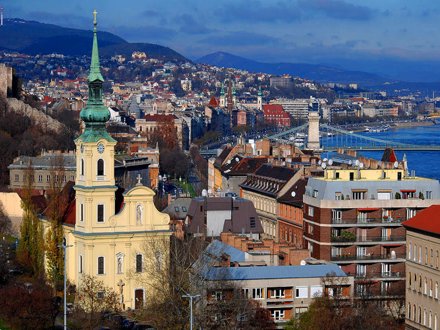
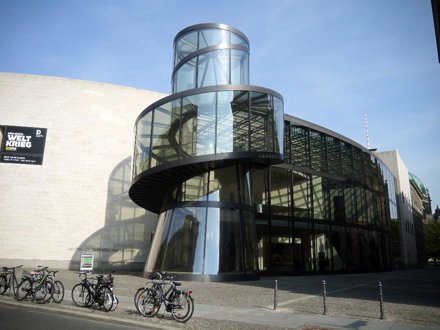
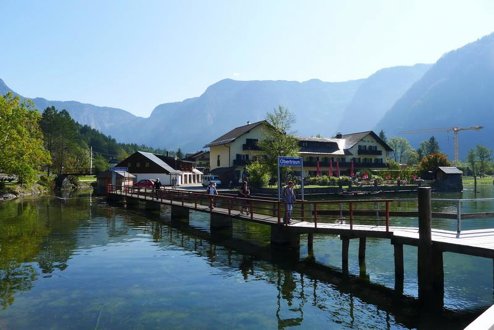

Please assemble at Shanghai Pudong International Airport at the specified time, and prepare for your flight to the capital of Montenegro, Podgorica.
[Golden Hall] (min. 1 hour, guide included): Officially known as the Vienna Philharmonic Golden Hall, it was built between 1867 and 1869 and is located at No. 12 Beethovenstrasse in the Austrian capital. The building houses a total of six concert halls: the Brahms Hall, the Wooden Hall, the Glass Hall, the Metal Hall, the Stone Hall, and the Grand Hall. The largest of these is the "Grand Hall" (Großer Saal), also known as the Golden Hall or Hall of Fame, which is one of Vienna's most famous concert venues. The Golden Hall is considered one of the top five concert halls in the world, alongside the Berlin Philharmonie, the Musikverein in Salzburg, the Concertgebouw in Amsterdam, and the Boston Symphony Hall. *(If the Golden Hall is inaccessible due to unforeseen circumstances, a visit to the State Opera will be arranged as a substitute, or the admission fee will be refunded.)*
[Hundred Flower Apartment] (Exterior View): Featuring a colorful facade and a unique architectural style, residents of the Hundred Flower Apartment have the right to decorate their own windows with flowers, wind chimes, and paintings. Despite the abundance of artistic elements, the overall appearance remains harmonious rather than chaotic, making this building one of the most visually appealing residences in Vienna. The creation of this artistic masterpiece is credited to a famous Austrian artist known as "Mr. Bai Shui". As a dedicated environmentalist, Mr. Bai Shui dreamed of building an apartment complex that could coexist harmoniously with plants. Climbing wall tiger's vine and clematis wrap around the building to the rooftop, complemented by potted plants and trees on the surrounding terraces. This composition forms a "green building" enveloped by vegetation. Additionally, numerous colorful ceramic tiles pasted on the ground floor and balconies give the property a noble and elegant atmosphere.
 国家歌剧院
 维也纳音乐协会金色大厅
[City Sightseeing] (Min. 2 hours): This city has been home and a creative muse for many famous musicians. With hundreds of tourists flocking here daily, you simply must not miss this elegant and captivating hub of Central European arts and culture.
[Carriage Ride] (approx. 20 minutes): Ringstrasse, one of Vienna's most famous boulevards, is lined with lush green trees and features architecture of various styles on both sides. We will take a nostalgic horse-drawn carriage ride, traveling through the lifestyle of the medieval nobility.
[Vienna State Opera] (Exterior only): Built in 1869, the Royal Opera House is one of the world's most renowned opera houses. The Vienna Philharmonic Orchestra is universally acclaimed as one of the world's top orchestras and is a primary symbol of "Vienna, the City of Music," often referred to as the world's center of opera.
[Hofburg Imperial Palace] (Exterior only): For over seven centuries under the rule of the Habsburg Dynasty, the Hofburg Palace served as the primary imperial residence in Vienna. Similar in significance to the Forbidden City in Beijing, it was the sacred and inviolable symbol of royal authority during the era of the Austrian Empire.
[Johann Strauss Memorial] (Exterior only): Located in the City Park, this gilded statue is one of Vienna's landmark monuments. Johann Strauss Jr., known as the "King of the Waltz," is a source of great pride for the Austrians. The local government erected this full-figure gilded bronze statue of Strauss holding a violin in the City Park to express admiration and remembrance for future generations.
[St. Stephen's Cathedral] (Exterior only): Situated in the heart of Vienna's Old Town, it is a significant Gothic architectural landmark in Austria. Completed in 1433, the cathedral stands 137 meters high. Its pointed southern tower, which pierces the clouds, and the intricate green-and-yellow tile roof on the side are truly eye-catching.
[Schönbrunn Palace + Gardens] (40 Rooms + Audioguide, approx. 1.5 hours): Located in the southwest of Vienna, Schönbrunn Palace is a masterpiece of Baroque art. It once served as an imperial palace for the Holy Roman Empire, the Austrian Empire, the Austro-Hungarian Empire, and the Habsburg royal family, and also functioned as the Habsburg summer residence. It was a favorite of Empress Marie Antoinette. In 1762, the 6-year-old Mozart performed the piano for the Empress here for the first time. In Europe, Schönbrunn Palace is considered second only to the Palace of Versailles and was inscribed on the World Heritage List in 1996. Today, we have specially arranged a Viennese nobleman's-style banquet at the palace.
 环城大道
 斯蒂芬大教堂
[Melk Abbey] (approx. 1 hour, guide included): Founded in 1089, this Benedictine abbey is a masterpiece of the Wachau region and is regarded as the jewel of Lower Austria. The interior features exquisite frescoes, and the library houses countless medieval manuscripts. Due to its fame and academic significance, it was spared from the destruction of World War II, and the small town of Melk is well-known for the abbey.
[Hallstatt Sightseeing] (approx. 1 hour): Located on the shore of Lake Hallstatt, this enchanting town is a favorite getaway destination for European royalty. A century ago, the only ways to reach it were by boat or by riding horses. Perched on a hillside not far from the lake stands the town's landmark, the Gothic spire of the church.
[Wachau Valley]: This scenic stretch of the Danube River is also a renowned wine-growing region. The banks are lined with mysterious castles, ancient small towns, and rustic villages, as well as rolling vineyards, creating a landscape that is both tranquil and rich. Designated a UNESCO World Heritage Site in 2000, the Wachau Valley has become the most classic and essential stop on any Danube River cruise.
 梅尔克修道院
 瓦豪河谷
[Hallstatt Town Tour] (approx. 2 hours): Located in western Austria and serving as the gateway to the Alpine mountains, Hallstatt is a town with a predominantly Baroque architectural style. It is the birthplace of the musical genius Wolfgang Amadeus Mozart and the hometown of conductor Herbert von Karajan, as well as the filming location for the movie The Sound of Music. The historic center of Hallstatt was designated as a UNESCO World Heritage Site in 1996.
[Mirabell Garden] (Exterior): A popular photo spot favored by tourists. This Baroque garden, featuring Roman sculptures, fountains, and a labyrinth, is the same location where the heroine Maria sang 'Do-Re-Mi' with the children in the famous movie The Sound of Music.
[Mozart's Former Residence] (Exterior): The place where the renowned composer Mozart once lived. He composed countless masterpieces during his stay here.
[Mozart Square]: Situated to the northeast of the Main Square, the Mozart statue in this square was installed on September 5, 1842, through a donation by the people of Hallstatt. Two of Mozart's sons were present at the unveiling ceremony.
[Tanner's Hut (Gerberhaus)]: Located in the old town of Hallstatt, next to the Great Church, it is one of the town's most bustling and charming shopping streets. The cobbled street is extremely narrow, yet uniquely charming. It is usually packed with tourists, with a constant hustle and bustle of people and activity.
[Hallstatt Castle] (approx. 1 hour, including shuttle): Located on Moenchsberg Hill in the historic center of Hallstatt, this white castle is the town's iconic landmark. Its history dates back to 1077, when it was gradually built and expanded under the direction of the Archbishop. The castle houses a museum and a cafe, offering excellent views of the entire city. It is a typical example of Central European architecture, measuring 250 meters in length and 150 meters in width, making it one of the largest surviving medieval castles in Europe.
[Bad Ischl Town Tour] (approx. 30 minutes): Bad Ischl, located near Salzburg, is a renowned spa town. It is famous for producing the 'Dobbo' sparkling wine, which is often cited as the best in the world. Known for its brewing traditions since the 13th century, the town earned the nickname 'Bad Ischl.' The four sides of the main square are lined with 4 to 6-story medieval buildings, showcasing a harmonious mix of architectural styles ranging from Baroque to Gothic and Art Nouveau. The facades feature diverse yet elegant colors. Walking around the square feels like attending an architectural exhibition. In particular, the pointed roof of the Town Hall is ornate and exquisite, resembling a beautiful painting.
 莫扎特故居
 粮食胡同
[Kotor City Sightseeing] (approx. 1.5 hours total for the following attractions): A colorful medieval town where time seems to have stood still for 700 years. Upon entering the city, one can feel that nothing in Kotor has ever changed. The Boka Kotorska Bay and the town's S-shaped layout are distinctive features. All streets in the old town are paved with small stones and slabs, and the red rooftops create a mesmerizing atmosphere. The old town, castle area, and fortifications present different characteristics and moods.
[Castle Gardens] (entry included, approx. 30 minutes): Located on the garden's central axis is a cascading fountain featuring sculptures of sea gods and other mythological figures. It is often cited as the most dazzling fountain in Bosnia and Herzegovina. It is said to have been designed with reference to the fountains at the Palace of Versailles and the Gardens of Versailles. Surrounded by neatly trimmed lawns and trees, the view is refreshing and pleasing.
[Budva Old Town & Fort Area Entrance Ticket]* (includes St. Vitus Church, St. George Church, and Gold Street; approx. 2 hours): The Budva Fort is actually a large building complex that integrates churches, palaces, and courtyards, spanning an area of about 7 football fields. It holds the Guinness World Record for the largest ancient city fortification. In 1992, the Budva Fort was listed on the UNESCO World Heritage List.
St. Vitus Church: St. Vitus Church is the largest and most important church in Budva. It was also the mausoleum for the royal family after the death of the kings. Located in the third courtyard of the Budva Fort, the church was started in the 14th century and took over 600 years to complete. This building, which required immense effort from countless architects, is like a finely carved work of art waiting to be savored.
St. George Church: St. George Church is the oldest church within the Budva Fort, located on the east side of the St. Vitus Church. Looking for a building with a high spire, constructed from red bricks in a Gothic style, you will find the St. George Church. It is also one of the best-preserved Gothic buildings in Montenegro.
Gold Street: Gold Street is one of the famous scenic spots in the Budva Fort. This colorful place is located in the northeast corner of the fort area, between the St. George Church and the Budva Toy Museum. The narrow, winding path of Gold Street is paved with stone slabs, and colorful small houses stand close together on both sides.
 伏尔塔瓦河
 美泉宫
Dubrovnik City Sightseeing (Total approx. 2 hours for the following sights): Dubrovnik, the capital of Croatia, is renowned as a 'Jewel of the Middle Ages' and is the world's first city where the entire urban area has been designated as a UNESCO World Heritage Site.
[St. Luke's Bridge] (Exterior View): Spanning the Dubrovna River, this century-old stone bridge connects the Old Town with the Fortified City area. Admire the early architectural craftsmanship and sculptural art. This pedestrian-only bridge exudes a distinct charm whether in the day or at night, forever captivating tourists and street artists, adding a lively atmosphere to the stone bridge standing over the Dubrovna River.
[Astronomical Clock] (Exterior View): The Dubrovnik Astronomical Clock is a medieval clock mounted on the south wall of the Old Town Hall in the Old Square. It has become a popular tourist attraction and a favorite location for locals to take wedding photos. On the hour, 12 figurines appear in sequence accompanied by the chime, making it a sight not to be missed.
[Old Town Hall] (Exterior View): Located in the Old Square, this is one of the notable buildings within the ancient cluster of medieval structures.
[Dubrovnik Old Square]: Built approximately 900 years ago, this famous historical square is situated between Vatreno Square and St. Luke's Bridge, serving as the heart of the city. The song 'Dubrovnik Square' by singer Tai Yilin further attracts an endless stream of visitors.
[Vatreno Square]: In 1348, Charles IV designated Vatreno Square as Dubrovnik's marketplace. Rather than a traditional square, it is more like a forested avenue. Much of Croatia's history in the 20th century unfolded in Vatreno Square, with political movements and rallies held in front of the St. Simeon Franići statue, and tourist groups parading through the square.
[Dubrovnik Old Town Electric Car Experience]* (Duration: Approx. 45 minutes): As the entire city remains suspended in the midst of history, riding in an old-fashioned electric car allows you to seamlessly blend into the unique cultural ambiance of the city. The route winds through the Old Town and Dubrovnik's small town, passing landmarks such as the Franciscan Monastery, the Rondo Music Hall, or the Waldstein Palace.
[Dubrovnik Ample Free Time (No less than 1 hour)]: Please note that guide services are not included during the free time. Ensure the safety of your personal belongings.
[Special Arrangement]: Scenic Restaurant on St. Luke's Bridge.
 鲁道夫音乐厅
 天文钟
[Dresden City Sightseeing] (approx. 1.5 hours): Nestled along the banks of the Elbe River, Dresden is like a serene poetic landscape and is renowned as the "Florence of the Elbe." This city is not only adorned with lush gardens and magnificent Baroque architecture but also houses numerous world-class museums, treasurehouses of rare cultural relics and precious gems. Although Dresden suffered severe damage during World War II, many key landmarks have been meticulously restored to their former glory, while newly built cultural venues have injected a vibrant, modern flair into the city.
[Catholics' Church] (approx. 20 minutes): The reconstructed Dresden Frauenkirche is considered one of the monuments to the Protestant faith and masterpieces of European Baroque architecture. It is also famously known as the "world's largest jigsaw puzzle" due to the painstaking restoration work that reused original building materials to recreate its historic facade.
[Triumph of the Queen] : One of the few sites in Old Dresden that remained completely intact during World War II. In February 1945, Allied aerial bombing reduced the old city district almost to the ground. Yet, miraculously, the "Triumph of the Queen" monument escaped damage.
[Semper Opera House] (Exterior View): One of the most famous opera houses in Germany and the world, it serves as the home of the Saxon State Opera and the performance venue for the Dresden State Opera ensemble. The building is renowned worldwide for its architectural splendor, outstanding acoustics, and rich history.
[Zinger Palace] (Exterior View): Likely the most exquisite Baroque building in Germany, the Zingler Palace faces the river with city gates topped by a golden crown symbolizing the power of the Kings of Poland. Even the "Fairy Bath" grotto in the inner garden is considered one of Germany's most beautiful grotto buildings.
Potsdam: A Baroque dream crafted by kings, a grand city radiating classical atmosphere. Once famous for bearing the glory of Prussia, this city is now a global attraction, boasting numerous unique palaces and gardens that captivate the world.
[Sanssouci Palace] (approx. 1 hour): One of Potsdam's most popular attractions, Sanssouci's French name and its design, which blends seamlessly with nature, reflect Frederick the Great's longing for an agrarian lifestyle. This was his favorite palace while alive; in 1990, Sanssouci Palace was inscribed on the UNESCO World Heritage List. (In case of site closure, the itinerary will change to a visit to the Sanssouci Palace Gardens, with a ticket refund of €12 per person.)
 德累斯顿圣母教堂
 茨温格宫
Berlin City Sightseeing (approx. 2 hours in total for the following sights): As the capital and largest city of Germany, Berlin is one of Europe's most dynamic cities. Rich in history, culture, and contemporary art, it carries complex historical memories, from the Cold War division to reunification.
[Brandenburg Gate]: A visit to Berlin is incomplete without the Brandenburg Gate. Located in the city center next to Pariser Platz, it is Berlin's most famous landmark. The only surviving city gate of Berlin, it is supported by six Ionic columns on both sides and is open only to pedestrians. It is one of the most impressive monuments of German classicist architecture.
[Berlin Wall]: This is the longest preserved section of the Berlin Wall, stretching 1.3 kilometers. It is a collective artwork created by 118 artists from 21 countries after the wall's fall. The most famous piece here is "The Fraternal Kiss," a must-photograph spot for many visitors. Inspired by a real historical photograph, it depicts the famous leaders of the former Soviet Union and former East Germany embracing after signing a cooperation agreement. The year 1989 is prominently featured on the wall.
[Checkpoint Charlie] (exterior view only): Once the most famous checkpoint in the inner city, it is now a must-visit destination in Berlin. The adjacent Berlin Wall Museum regularly exhibits the history of the Berlin Wall and related topics—ranging from the East German state security apparatus to resistance movements, and finally to the fall of the wall. A reconstructed guard post stands here, and cosplayed actors portraying guards from that era can often be seen nearby.
[Museum Island] (exterior view only): Located in the heart of Berlin, this island is home to several top-tier German museums, led by the Pergamon Museum. The five museums on the island vary in style yet harmonize beautifully. The Spree River flows on both sides, enhancing their majestic presence. Museum Island is listed as a UNESCO World Heritage Site.
[Unter den Linden]: Located in the heart of Berlin's historic center, Unter den Linden is a famous boulevard stretching east from the Brandenburg Gate to Museum Island. The streetscape is lined with dense lime trees and numerous notable buildings. Construction began in 1573. In the early 18th century, Emperor Frederick the Great commissioned extensive landscaping along both sides, transforming it into one of Germany's most prestigious avenues. Historically, successive rulers have held military parades on this grand street.
Special arrangement: German Sausage & Beer Meal
 博物馆岛
 菩提树下大街
Kassel City Sightseeing (approx. 1.5 hours total): Nestled in central Germany, Kassel is an unassuming yet stunning city. Recognized by UNESCO as a member of the 'Creative Cities Network - City of Music', it hosts the globally renowned 'Kassel Documenta' exhibition every five years. It is a dream city where fairy tales are woven into its bones and art is etched into its streets.
Grimm World Museum (Exterior view): Kassel is famously known as the 'Headquarters' of fairy tales, a reputation born from the Brothers Grimm. Located in the heart of the city, the Grimm World Museum uniquely showcases the brothers' lives, their creative processes, and the far-reaching impact of their tales on world culture. The museum houses their manuscripts, letters, books, and personal belongings. Through multimedia presentations and interactive installations, it vividly presents the behind-the-scenes stories of these timeless tales.
[Wilhelmshöhe Park] (Entry & viewing: approx. 45 minutes): This vast hillside park is one of Kassel's most famous attractions and a UNESCO World Heritage Site. Renowned for its stunning natural scenery and baroque-style garden design, it features the famous Hercules Monument, symbolizing the city's history. The park includes a famous tiered fountain (the Cascade) that operates at specific times. When the giant statue of Hercules raises his arm, water overflows from his urn, cascading down over 175 stone steps to form a large artificial waterfall 350 meters high. It is a spectacular sight. (Note: In winter, the steps may freeze over; please walk with caution.)
Körner City Sightseeing (approx. 2 hours total): This city is both ancient and elegant, yet also a modern metropolis with a strong contemporary vibe. The Romans established the city as early as the 1st century, and it experienced unprecedented growth during the Middle Ages, becoming a vital hub for religious, artistic, and educational pursuits in Germany.
[Kassel Cathedral] (Entry & viewing: approx. 30 minutes): Featuring two striking Gothic spires, this cathedral has become the symbol of Kassel and a must-see destination for visitors. Designated by UNESCO in 1996, it was later added to the List of World Heritage in Danger. Regarded as a masterpiece of Gothic architecture, it represents the pinnacle of medieval construction and religious art in Europe.
[Holbein Bridge] (Honorius Bridge): A pilgrimage site for romantics. Tourists and local residents alike love to hang love locks on the railings to express their eternal love. Today, you can see heart-shaped locks inscribed with couples' names hanging everywhere on the bridge. Over time, the number of locks has grown, creating a unique and colorful landscape of various brass locks against the bridge's structure.
Special Arrangement: German-style Sausage & Beer Dinner
 科隆大教堂
 科隆大教堂
Frankfurt City Tour (approx. 1.5 hours): Frankfurt is a city where tradition and modernity shine together. Here, you can witness bustling modern financial districts alongside charming old houses. No matter where you come from, you will surely find your own unique discoveries in this city.
Römer Square: Considered the living room of Frankfurt, the city hall beside the square is one of the oldest town halls in Europe, serving as the seat of the city government for over 600 years. The main façade features a building reconstructed with numerous decorative elements in the 'three gabled walls' Neo-Gothic style. The Imperial Hall inside is especially worth a visit.
Frankfurt Cathedral (Exterior Only): The Frankfurt Cathedral is a historically significant site where Holy Roman Emperors were elected and where 10 emperors were crowned. Built in the Gothic style, construction began in the 14th century. The cathedral has suffered significant damage and reconstruction due to fires and World War II bombings. The treasury contains exquisite garments worn by the main bishops during coronation ceremonies, which are definitely worth seeing.
Goethe’s Birthplace (Exterior Only): This was the residence of Germany’s great poet Johann Wolfgang von Goethe from 1775 until his death in 1832, and it is the birthplace of the famous novel The Sorrows of Young Werther. The four-story building features a kitchen and dining room on the ground floor, a Rococo-style parlor and music room on the second floor, a corridor on the third floor with a fine astronomical clock, and bedrooms on the fourth floor. Each room has different colors and decorations, making it very elegant.
European Central Bank (Exterior Only): Also known as the Euro Tower, this is a landmark building of Frankfurt as an international financial center. The massive Euro sign that frequently appears in international news is located right here.
 老市政厅
 罗马广场
With the guidance of your tour leader, proceed to the airport for the flight back to Shanghai.
Shanghai Arrival & Visa De-briefing: Welcome to Shanghai! This marks the successful conclusion of your tour group. Please hand your passports and full-set boarding passes to the tour leader, who will submit them to the consulate to process visa cancellations. Depending on the consulate's requirements, some guests may be notified to attend a visa de-briefing interview at the consulate in advance. Please prepare yourself mentally for this step. Thank you for your cooperation.
What's Included
1, Airfare: Group round-trip economy class airfare as described in the itinerary (including taxes and surcharges);
2, Transportation: Local luxury tour bus costs during the tour period (not included during free time);
3, Accommodation: Twin-share in local standard star-rated hotels as noted in the itinerary (including buffet breakfast);
(Hotel breakfast content and format are subject to the hotel's arrangement; if early departure is required due to the itinerary, packed breakfast boxes will be arranged);
4, Meals: Noted lunch and dinner are mainly Chinese-style banquet meals, supplemented by local simple meals; in-flight meals are subject to the airline company;
Of which Chinese group meals are based on 8 dishes and 1 soup, places without Chinese meals will be arranged with Western simple meals or hotel meals
(In the actual itinerary, to ensure the touring experience, meal cancellations may occur and will be executed at a standard of 18 Euros);
5, Attractions: Attractions marked with (*) in the itinerary include the first admission ticket; others are for exterior viewing only;
6, Guide: Local driver and Chinese leader/tour guide service, including guide service fees;
7, Visa: Group travel visa fees for the destinations required in the itinerary;
What's Not Included
1, Personal passport and fees related to visa processing, such as notary certification for minors;
2, Customs duties on personal goods at entry and exit; excess baggage fees, storage fees; personal consumption in hotels such as laundry, hairdressing, phone, fax, paid TV, drinks, tobacco, liquor; all personal consumption and fees not mentioned in the included items
3, Self-paid content outside the itinerary and related transportation, guide service fees;
4, The tour price is calculated based on 2 adults sharing one room. If you (or with your companion) have a single occupancy, we will arrange you to share a room with another single traveler of the same gender. If you choose to occupy a single-occupancy twin room for the entire trip as a single person, you can pay the single room supplement (5000 CNY/person); children under 6 years old can be exempt from the bed-occupying fee (3000 CNY/child), if bed is occupied, the price is the same as adults;
5, The wireless internet devices provided by our company are kept by customers during the trip, collected uniformly after the itinerary ends. If equipment damage occurs, the compensation scheme is as follows:
(1) Lost or unable to boot normally: 500 CNY/unit;
(2) Obvious external damage, cracked screen, etc.: 200 CNY/unit;
(3) Screen scratches, interface damage, etc.: 100 CNY/unit;
(4) Accessory damage or loss: 10 CNY/item;
How to Sign
- 1) Sign at Our Office
- Room 1207, No. 188 Wujiang Road, Jing'an District, Shanghai
- 2) Sign by Courier
- We courier the stamped contract to you; sign it and courier it back to us.
- 3) Door-to-door Signing
- On-site signing service (appointment required; available within Shanghai's Outer Ring area only).
Payment Methods
- 1) Pay at Our Office
- Cash or POS card payment; UnionPay credit and debit cards are accepted.
- 2) Bank Transfer
- Make a transfer via online banking or at a bank counter.
- 3) Third-party Payment
- Transfer to us via Alipay.


